
July 12, 2026
Collaborative Design of FRP Core Rod and Silicone Rubber Shed for Composite Insulators: Structural Optimization from Mechanical Load, Electrical Performance to Aging Resistance
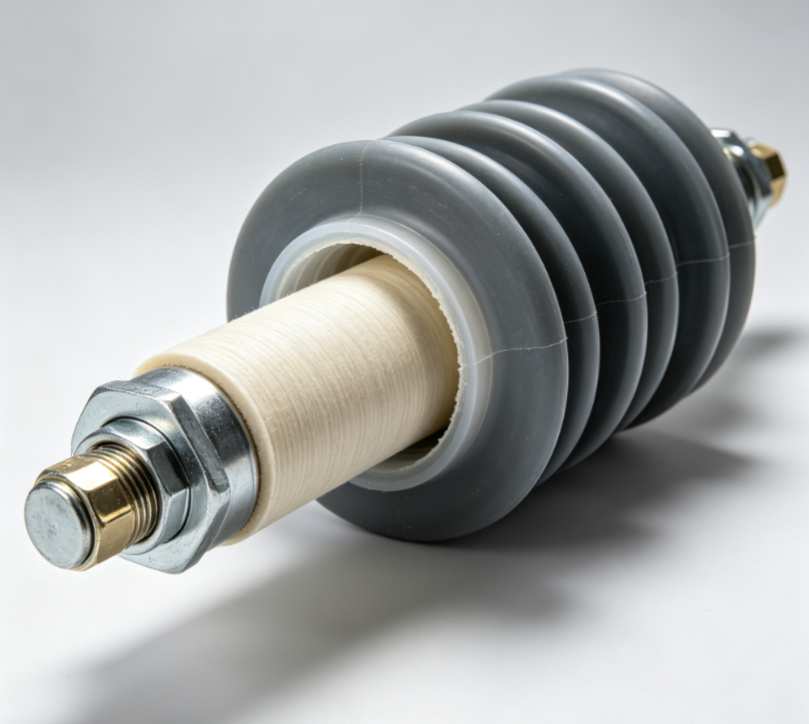
Table of Contents
1. Overview of Modern Composite Insulator Structural Design
2. Functional Characteristics of FRP Core Rod and Silicone Rubber Shed
3. Mechanical Load Optimization for Structural Stability
4. Electrical Performance Design and Improvement Strategy
5. Aging Resistance Optimization for Long-Term Operation
6. Structural Performance Data Comparison
7. Industry Technical FAQ
1. Overview of Modern Composite Insulator Structural Design
Composite insulators are key components widely used in high-voltage transmission and distribution power systems.
Different from traditional ceramic insulators, composite insulator design relies on dual-structure cooperation of internal and external materials.
The inner FRP core rod bears all mechanical loads, while the outer silicone rubber shed undertakes insulation and environmental protection tasks.
Unreasonable matching of two materials will cause mechanical fracture, flashover and aging failure in field operation.
According to 2025 global power grid operation data, optimized structural design can reduce insulator failure rate by 58% within 10-year operation cycle.
2. Functional Characteristics of FRP Core Rod and Silicone Rubber Shed
2.1 FRP Core Rod Mechanical Foundation
FRP core rod is the main force-bearing structure of composite insulators.
It features high tensile strength, low elongation and strong structural stability under continuous mechanical load.
High-quality FRP materials can maintain stable mechanical performance under long-term tension and wind load.
2.2 Silicone Rubber Shed Protection Performance
Silicone rubber shed is the external insulating protective layer of insulators.
It provides excellent hydrophobicity and anti-pollution flashover performance for outdoor power equipment.
Reasonable shed shape and spacing design directly improve the overall electrical performance of the insulator.
3. Mechanical Load Optimization for Structural Stability
Transmission line insulators need to withstand tension, wind pressure and ice coating mechanical load all year round.
FRP core rod section diameter and fiber laying angle are the core parameters of mechanical load resistance.
Structural optimization can avoid local stress concentration, preventing core rod brittle fracture and delamination.
Matching the tensile modulus of core rod and end fittings effectively improves the overall mechanical tolerance.
4. Electrical Performance Design and Improvement Strategy
Electrical performance determines the insulation safety of high-voltage lines.
Silicone rubber shed spacing, creepage distance and surface hydrophobicity affect pollution flashover resistance greatly.
Coordinated design between core rod insulation matching and shed layout can uniform internal electric field distribution.
This optimization reduces partial discharge phenomenon and improves long-term electrical operation stability.
5. Aging Resistance Optimization for Long-Term Operation
Outdoor insulators face ultraviolet radiation, high temperature, humidity and acid rain erosion all year.
Aging failure is one of the most common problems of composite insulators in late operation period.
Aging resistance optimization starts from silicone rubber material formula and structural sealing design.
Improved vulcanization process enhances the bonding tightness between shed and FRP core rod.
It effectively prevents interface aging, water vapor penetration and internal insulation degradation.
6. Structural Performance Data Comparison
The table below compares conventional design and optimized collaborative design indicators, based on IEEE power insulator testing standards.
Design Mode | Mechanical Tensile Retention Rate | Flashover Withstand Voltage | Anti-Aging Service Life | Interface Failure Rate |
Conventional Separate Design | 83.2% | 105kV | 8 Years | 4.1% |
FRP & Silicone Rubber Collaborative Optimization Design | 96.7% | 126kV | 15+ Years | 0.8% |
Test data proves that collaborative composite insulator design achieves comprehensive improvement in mechanical load resistance, electrical performance and aging resistance.
7. Industry Technical FAQ
Q1: What is the core function of FRP core rod in composite insulators?
A1: The FRP core rod undertakes all mechanical load support, providing high tensile strength and structural stability for the whole insulator.
Q2: How does silicone rubber shed affect electrical performance?
A2: Optimized shed layout and hydrophobic material greatly improve pollution flashover resistance and uniform electric field distribution, enhancing overall insulation performance.
Q3: Why collaborative design is better than separate structural design?
A3: Collaborative design eliminates interface defects, matches mechanical and electrical parameters, and realizes systematic aging resistance optimization, avoiding single-part performance bottleneck.
Q4: What measures are used for insulator aging resistance optimization?
A4: It includes silicone rubber formula upgrade, interface bonding enhancement, electric field optimization and sealed structural improvement to delay material aging and interface failure.
Related articles
May 16, 2026
Intelligent Upgrade of Surge Arrester Discharge Counters: From Mechanical Counting to Electronic Monitoring to IoT Remote Maintenance Innovation
May 16, 2026
Design of Overvoltage Protection Scheme for Transmission Lines: Comprehensive Protection Strategy from Surge Arrester Selection to Installation Location to Grounding System